
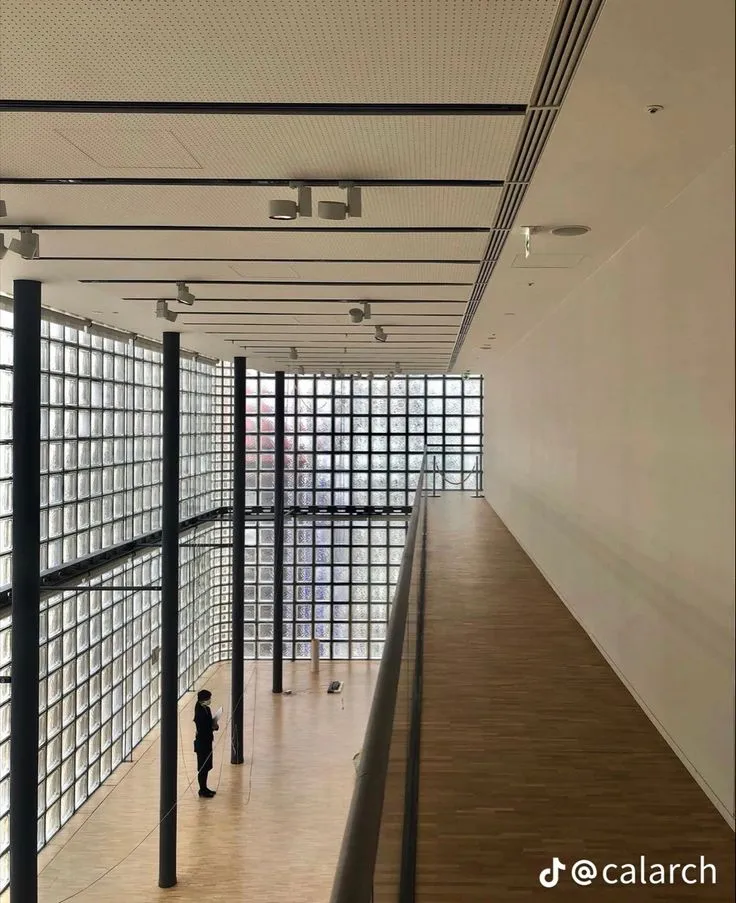
Museum exhibition design involves more than arranging objects inside display cabinets. Curators and designers must consider how visitors move through galleries, how lighting affects collections, and whether temporary installations can be adapted for future exhibitions. Architectural materials contribute to these decisions by influencing the appearance and organization of the available space.
In contemporary exhibition settings, glass blocks can introduce geometric patterns and visual separation without creating the appearance of a completely solid wall. However, their suitability depends on the intended installation, surrounding exhibits, and technical requirements. Museums should evaluate these considerations before incorporating glass masonry into permanent or temporary displays.
Exhibition Layouts Should Support the Collection
Every museum exhibition has a particular purpose. Some present historical objects chronologically, while others encourage visitors to explore artworks through themes or interactive experiences. The layout should reflect this purpose rather than allowing decorative features to dominate the gallery.
Glass masonry may help define separate exhibition areas or create a visual transition between displays. However, designers should consider whether the material complements the objects being presented. A visually striking partition may be inappropriate when it distracts attention from delicate artifacts or important interpretive information.
Visitor Movement Requires Careful Planning
Museum visitors often stop unexpectedly to read labels, examine objects, or participate in interactive activities. Exhibition layouts must accommodate these movements without creating unnecessary congestion. Partitions should be positioned to preserve suitable circulation routes and clear views of important displays.
A practical planning review can include:
-
Entrance access: Maintain appropriate routes into exhibition spaces.
-
Display visibility: Avoid obstructing important objects or information.
-
Accessible circulation: Accommodate visitors with different mobility needs.
-
Emergency routes: Preserve required exits and access arrangements.
-
Viewing distances: Allow comfortable space around exhibits.
These requirements should guide the placement of architectural features before construction begins.
Lighting Influences Glass Masonry Appearance
Glass masonry interacts with light differently depending on its texture, color, thickness, and surrounding conditions. Some products transmit light while obscuring direct views, creating distinctive visual effects. In a museum, these characteristics can influence the atmosphere of a gallery. However, exhibition lighting must also protect the collection. Certain materials are sensitive to light exposure, making conservation requirements more important than decorative effects.
Designers should coordinate proposed glass features with lighting and conservation specialists. Physical samples can help demonstrate how a particular product behaves under the illumination planned for the exhibition.
Product Selection Should Follow Technical Requirements
Glass masonry products are available in different sizes, finishes, and configurations. Their suitability depends on the intended application and installation system. Museum designers researching glass brick for sale should review product dimensions, manufacturer documentation, and relevant installation requirements before selecting materials. A decorative partition may require supporting construction, reinforcement, or other details determined by its design.
Glass masonry should not automatically be treated as interchangeable with structural brickwork. Qualified professionals should establish whether the proposed assembly meets applicable building requirements, particularly where visitors may come into contact with the installation.
Conservation Needs Can Limit Material Choices
Museums have responsibilities extending beyond interior appearance. Exhibition environments may need controlled temperature, humidity, lighting, and security arrangements to protect valuable collections. Introducing new construction materials can affect these conditions. Curators should consider whether proposed installations interfere with environmental controls, conservation equipment, or access for collection maintenance.
Temporary construction work can also introduce dust and vibration that may threaten sensitive objects. Where necessary, collections should be protected or relocated according to approved conservation procedures before installation begins. The architectural design should support preservation responsibilities rather than introduce avoidable risks.
Temporary Exhibitions Need Flexible Solutions
Museums regularly change exhibitions, making adaptability an important consideration. A partition suitable for one collection may obstruct the layout required for another. Permanent glass masonry installations should therefore be planned carefully. For temporary exhibitions, designers may need alternative construction methods that allow easier removal or rearrangement.
A conventional glass masonry assembly should not be assumed suitable for repeated dismantling and reuse. Curators can review future exhibition plans before approving permanent changes. This helps prevent decorative decisions from limiting how the gallery can accommodate new collections.
Maintenance Should Respect Museum Operations
Glass surfaces and surrounding joints may require periodic cleaning, but maintenance must be coordinated with the needs of nearby exhibits. Cleaning products should follow manufacturer recommendations and avoid exposing collection objects to unsuitable substances or moisture. Staff should also understand which areas require specialist access.
Installation records, product specifications, and maintenance instructions can provide useful references for future renovations. Keeping these documents available helps museum teams manage architectural features without relying entirely on information from previous contractors.
Conclusion
Glass masonry can contribute distinctive architectural character to museum exhibitions, but its use requires careful coordination with curatorial and building requirements. Visitor movement, lighting, structural support, conservation needs, and future exhibition changes all influence material selection. Designers exploring products through blokco.com can consider these factors before specifying glass features. By evaluating technical suitability alongside the needs of the collection, museums can create visually engaging environments without allowing decorative installations to interfere with accessibility, preservation responsibilities, or the flexibility required for future exhibitions.


