
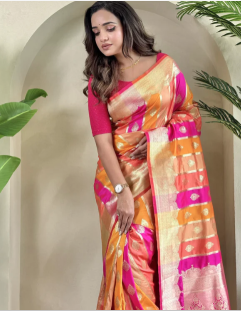
Rich textures, intricate craftsmanship, and vibrant hues define traditional Indian attire that never loses charm. Among these classics, the banarasi saree stands as a symbol of royalty, artistry, and cultural pride. Known for its luxurious silk fabric and detailed zari work, this garment continues to be a favorite for weddings, festivals, and ceremonial gatherings. At the same time, a lehenga for women offers a regal silhouette that blends tradition with contemporary flair. Both ensembles reflect grace and grandeur while allowing women to express personal style through colors, motifs, and draping techniques that feel uniquely theirs.
Royal appeal seen in wedding celebrations
Wedding functions often call for attire that feels majestic and unforgettable. The banarasi saree, with its elaborate patterns inspired by Mughal art and nature, creates a striking visual impact. Brides, bridesmaids, and family members often prefer this attire for its timeless appeal and heirloom quality. Similarly, a lehenga for women brings an element of drama and elegance with its flared skirt, embroidered blouse, and flowing dupatta. These outfits enhance the celebratory mood and are often chosen for important rituals where traditional aesthetics matter the most.
Design elements that define traditional craftsmanship
Every thread woven into a banarasi saree tells a story of skilled artisanship passed down through generations. Floral vines, paisleys, and geometric motifs are carefully crafted using gold and silver zari, making each piece an artwork. On the other hand, a lehenga for women showcases hand embroidery, mirror work, sequins, and thread detailing that reflects regional craftsmanship from different parts of India. These design elements create garments that feel rich in history and visually captivating in every fold and pleat.
Choosing the right fabric for comfort
Comfort plays a crucial role when selecting festive attire that may be worn for long hours. A banarasi saree typically uses fine silk that feels soft yet luxurious on the skin, allowing ease of movement during ceremonies. Likewise, a lehenga for women can be found in fabrics such as silk, georgette, velvet, or net, offering options suited to various weather conditions and preferences. Breathable materials ensure that elegance does not compromise comfort during long celebrations.
Styling ideas that enhance overall appearance
Accessorizing and styling elevate the overall look of traditional outfits. Some popular styling ideas include:
- Pairing heavy gold jewelry with a banarasi saree for a regal finish
- Choosing contrasting blouses to add a modern twist
- Wearing statement earrings with a lehenga for women for balanced elegance
- Experimenting with hairstyles like braids or buns adorned with flowers
These details help create a polished and harmonious festive appearance.
Versatility across festivals and formal events
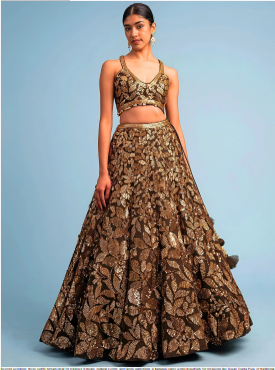
Beyond weddings, these outfits remain ideal for religious festivals, cultural events, and family gatherings. A banarasi saree works beautifully for occasions like Diwali, Durga Puja, or traditional ceremonies, offering a dignified and graceful presence. In the same way, a lehenga for women suits engagement parties, receptions, and festive evenings where a grand yet elegant look is desired. Their versatility ensures they remain wardrobe essentials for years.
Tips for maintaining traditional garments carefully
Proper care extends the life of precious ethnic wear. Consider these helpful tips:
- Store a banarasi saree in muslin cloth to preserve zari work
- Avoid direct sunlight to prevent fading of colors
- Dry clean a lehenga for women to maintain embroidery and fabric quality
- Refold garments occasionally to prevent permanent creases
These steps help maintain the richness and beauty of these outfits over time.
Modern influences blending with classic traditions
Fashion designers and stylists continue to experiment with traditional silhouettes by adding contemporary cuts, lighter fabrics, and minimalist embroidery. A banarasi saree may now be styled with belts or jackets for a fusion look. Similarly, a lehenga for women may feature crop tops or cape-style dupattas to create a modern festive outfit. This blend of old and new keeps traditional attire relevant for younger generations.
Conclusion
Traditional clothing serves as a powerful expression of cultural identity and personal elegance. Whether choosing a banarasi saree for its royal heritage or selecting a lehenga for women for its dramatic grace, these garments represent more than fashion. They symbolize celebration, pride, and timeless beauty that transcends trends. With thoughtful styling and care, these classic outfits continue to shine at every important occasion, allowing women to embrace tradition with confidence and charm.
