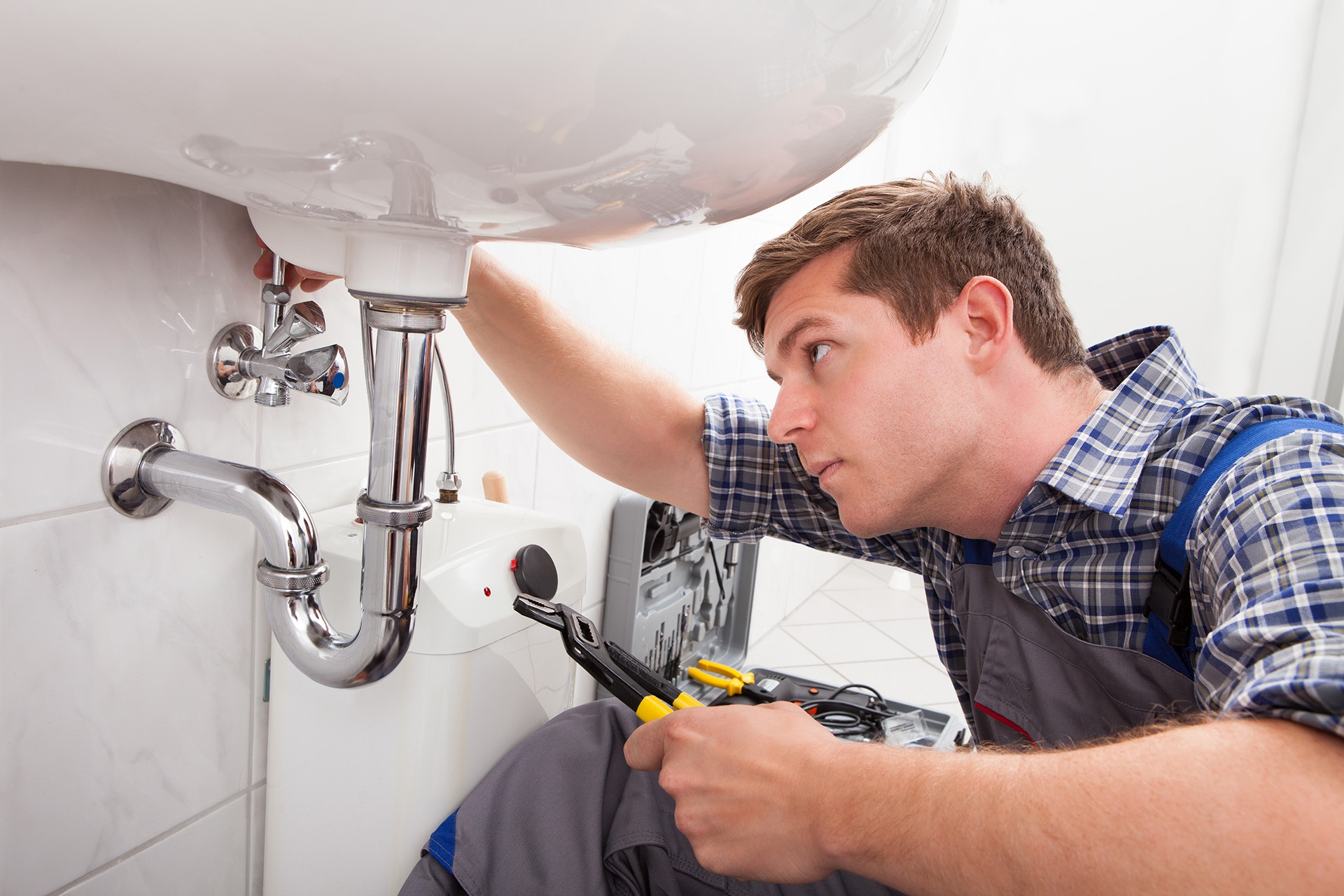
Bathrooms are among the most frequently used spaces in any home, making their plumbing systems work harder than many people realize. While obvious problems such as overflowing toilets or burst pipes demand immediate attention, many plumbing concerns develop quietly over time. These hidden issues often remain unnoticed until they result in expensive repairs or significant property damage. Recognizing the early warning signs can help homeowners avoid major disruptions and maintain a dependable plumbing system.
Slow Drains Can Signal More Than A Simple Clog
A sink, shower, or bathtub that drains slowly is often dismissed as a minor inconvenience. However, recurring slow drainage may indicate deeper problems within the plumbing system. Soap residue, hair, mineral deposits, or even damage inside the drainpipe can gradually restrict water flow.
If multiple bathroom fixtures begin draining slowly at the same time, the problem may extend beyond a single drain and involve the main drainage line. Addressing these concerns early can prevent complete blockages and more complicated repairs.
Unusual Wall Or Floor Moisture
Not every plumbing leak is visible. Pipes hidden behind walls or beneath flooring can develop small leaks that remain unnoticed for weeks or even months. Homeowners may first notice peeling paint, warped flooring, soft drywall, or unexplained damp spots.
These subtle changes should never be ignored because prolonged moisture can weaken building materials and encourage mold growth. Identifying concealed leaks early helps preserve the structure of the home.
Constantly Running Toilets
Many people become accustomed to hearing a toilet refill occasionally without realizing it may indicate an internal malfunction. Worn flappers, faulty fill valves, or improperly adjusted mechanisms can allow water to flow continuously.
Besides increasing water bills, a constantly running toilet places unnecessary strain on plumbing components. Worn parts can be found through routine inspections before they cause more serious problems.
Low Water Pressure In One Bathroom
Reduced water pressure is not always caused by municipal water supply issues. Mineral buildup inside faucet aerators, partially blocked supply lines, aging pipes, or hidden leaks may all contribute to weaker water flow.
When low pressure affects only one bathroom, it often points to a localized plumbing concern that deserves further investigation rather than being dismissed as normal wear.
Hidden Pipe Corrosion
Older plumbing systems may experience gradual corrosion that develops inside pipes where it cannot easily be seen. Corrosion reduces water flow, weakens pipe walls, and increases the likelihood of future leaks.
Signs such as discolored water, metallic tasting water, or recurring pinhole leaks may indicate that pipe deterioration has already begun. Early evaluation allows homeowners to plan repairs before major failures occur.
Loose Fixture Connections
Bathroom faucets, showerheads, and supply lines experience constant use. Over time, repeated movement and water pressure can loosen fittings and seals. These minor connection problems often create tiny leaks that slowly damage cabinets, vanities, and flooring.
Regularly checking beneath sinks and around fixture bases helps identify small leaks before they expand into larger repair projects.
Hidden Ventilation Related Plumbing Problems
Poor bathroom ventilation does not directly damage plumbing, but excessive humidity can accelerate the deterioration of plumbing fixtures, seals, and surrounding materials. Persistent moisture also makes it more difficult to detect small plumbing leaks because damp conditions become common.
Proper ventilation works alongside a healthy plumbing system by reducing unnecessary moisture throughout the bathroom.
Sewer Odors Should Never Be Ignored
Unpleasant smells coming from bathroom drains may indicate dry traps, damaged vent pipes, loose toilet seals, or hidden drainage issues. While air fresheners may temporarily mask odors, they do not solve the underlying plumbing concern.
Persistent sewer odors deserve prompt attention because they often signal problems that may worsen over time if left unresolved.
Routine Inspections Help Prevent Costly Repairs
Many plumbing problems remain hidden until they become expensive emergencies. Scheduling periodic inspections allows professionals to identify developing issues before significant damage occurs. During these visits, potential concerns such as worn valves, aging supply lines, hidden leaks, and drainage problems can be addressed proactively.
In addition to restoring correct operation, prompt Bathroom plumbing repair helps prolong the life of the entire plumbing system and lower the likelihood of unplanned malfunctions.
Conclusion
Hidden bathroom plumbing issues rarely disappear on their own. Small leaks, slow drains, hidden corrosion, and declining water pressure often develop gradually before becoming major repair projects. Paying attention to subtle warning signs and responding quickly allows homeowners to protect their property, improve plumbing performance, and avoid unnecessary expenses. Early action remains one of the most effective ways to keep any bathroom plumbing system reliable for years to come.