Key Takeaways
- Self-service checkouts offer greater convenience and speed for shoppers while streamlining store operations.
- Advancements in artificial intelligence and the Internet of Things are raising the bar for self-checkout technology.
- Retailers are fine-tuning their self-checkout strategies to address risks such as increased theft and customer dissatisfaction.
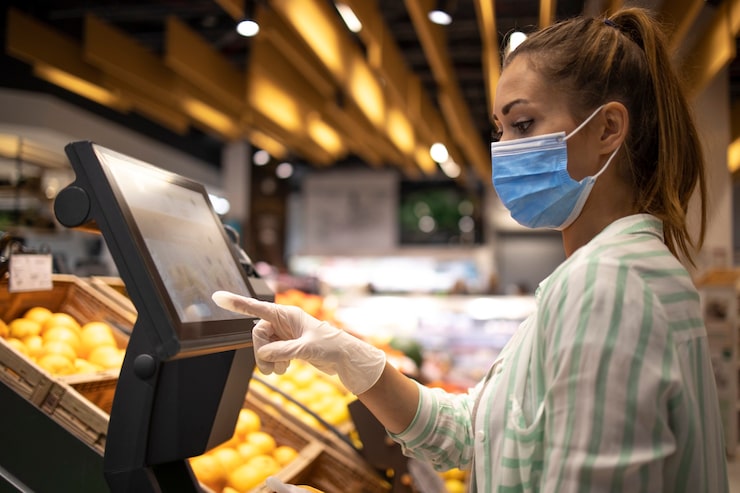
Self-service checkout technology is revolutionizing the way retailers operate, shifting the focus to streamlined customer service and greater operational efficiency. The growing presence of self-service kiosks in retail environments enables shoppers to control their purchase experience, reduce wait times, and enjoy greater convenience. For businesses, the adoption of a self checkout system can free up resources and empower staff to focus on more meaningful, value-added tasks, resulting in better customer satisfaction and increased profitability.
Retail organizations are increasingly integrating advanced checkout technologies to meet rapidly changing consumer preferences. Balancing speed, independence, reliability, and security, retailers must assess the benefits and challenges of self-service options for revenue and customer loyalty. The push for digital tools in brick-and-mortar stores underscores a commitment to modernization, with investments in systems that enhance inventory management and checkout efficiency for competitive advantage. As automation accelerates, retailers face challenges including technology integration, consumer adoption, and security, driving innovation and necessitating operational optimization.
The Rise of Self-Service Checkouts
Over the past decade, self-service checkouts have become increasingly common in supermarkets, big-box retailers, and specialty stores worldwide. Initially rolled out to manage rising labor costs and boost operational efficiency, these systems have since evolved into key drivers of the customer experience. A recent study found that more than half of consumers prefer self-service for its perceived speed and reduced wait times, which are consistently cited as top pain points in traditional checkout lines.
Retailers see these kiosks not only as a cost-saving move but also as an opportunity to reimagine their in-store engagement tactics. As a result, the majority of major chains have implemented some form of self-service checkout, reshaping how customers interact with both stores and staff. This shift is particularly impactful in large cities and suburban centers, where shoppers consistently report higher satisfaction with do-it-yourself payment options.
Technological Innovations Driving Change
Technology has played a central role in the rapid transformation of self-service checkout. Integrations with artificial intelligence are now allowing machines to recognize items, prevent theft, and facilitate smoother transactions. Meanwhile, the Internet of Things enables seamless communication between devices, enabling real-time tracking of inventory and monitoring of security threats.
Mobile payment solutions and the adoption of biometrics for identity verification make today’s self-checkout systems more secure and user-friendly than ever before. Businesses can analyze purchasing data to better understand consumer preferences, manage restocking schedules, and predict emerging trends. Some leading retailers have even begun trialing fully automated, cashierless stores, demonstrating the potential for a future in which human interaction is reserved for customer service and troubleshooting.
Retailers Adapting to Challenges
Despite clear benefits, self-service checkouts are not without their risks. Increased theft incidents and user frustration have forced retailers to rethink the role of these kiosks in their stores. Some, like Walmart and Target, are experimenting with limiting self-checkout to small transactions or removing self-checkout machines from select locations to boost security and improve customer service.
To address these challenges, many retail operators have employed advanced surveillance systems and real-time monitoring conducted by staff nearby. Others are investing in staff training to provide efficient help to customers struggling with the machines or to handle complex customer queries. The ongoing evolution of this technology requires continuous adjustment and refinement to create an experience that is both safe and satisfying for all parties involved.
Consumer Preferences and Behavior
Modern consumers crave both efficiency and autonomy when shopping. Research indicates that the majority favor self-checkouts for their perceived ability to reduce wait times and eliminate queues. Nonetheless, preferences can differ based on demographic factors, purchase sizes, and familiarity with technology. Studies conducted in Australia reflect that while adoption rates are high, there is a clear demand for further improvement in usability and reliability.
Retailers hoping to earn consumer loyalty must continue to refine the experience by listening to feedback and incorporating new features. Convenience remains king, but only if paired with dependable service and intuitive systems. Customers want reassurance that their time is valued, and frustrations such as unclear instructions or malfunctioning devices can quickly erode trust in a brand.
Future Trends in Self-Service Checkout
The next wave of innovation in self-checkout technology centers on more advanced artificial intelligence and a stronger focus on seamless integration into the overall retail experience. Companies like Partner Tech are introducing AI-powered systems that automatically recognize items, speeding up the checkout process and minimizing user errors. This sort of development could ease staff workloads while reducing common issues such as barcode scanning problems and missed items.
Alongside these technological advancements, there is a growing focus on multi-channel solutions that connect physical checkouts with mobile apps and online profiles. These advancements help retailers better understand and serve their customers by blending the best aspects of digital and in-person shopping.
Balancing Technology and Human Interaction
While automated systems reduce the need for some frontline staff, the value of friendly, knowledgeable employees remains critical. Effective retailers recognize this balance, using technology to handle high-volume routine transactions while leveraging staff to provide personal touches, assist with troubleshooting, and ensure shoppers feel seen and valued. A balanced approach helps cater to varying consumer expectations and maximizes the impact of investments in both people and machines.
Conclusion
Self-service checkout technology is radically transforming retail, creating countless opportunities for improved efficiency and customer engagement. The successful integration of smart kiosks depends on prudent investment, regular innovation, and a keen understanding of consumer behavior. As retailers continue to refine their strategies, those that best combine cutting-edge solutions with personalized service will lead the way into the future of commerce.