Passing a routine health inspection requires more than just clean stainless steel counters and spotless floors. For commercial foodservice operators, cold storage compliance remains one of the primary areas where inspectors issue critical violations. Failing to maintain food-safe cabinet temperatures, utilizing uncertified equipment, or improper food organization can instantly lead to fines, temporary closures, and reputational damage.
To keep your kitchen compliant and fully operational, commercial refrigeration systems must meet strict physical and operational standards. Here is how kitchen managers can optimize cold storage workflows to pass health inspections without last-minute panic.
1. Verify Regulatory Sanitation Certifications
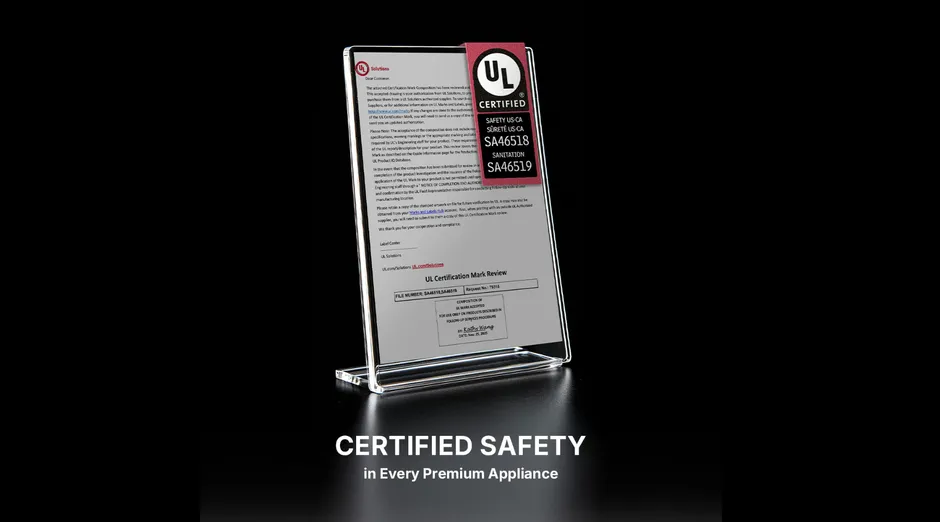
Local health departments across North America mandate that commercial food service equipment complies with strict sanitation standards. Residential refrigerators or uncertified commercial units lack the cooling velocity and seamless microbial resistance required in commercial settings.
Always ensure your primary cold storage units carry independent safety and sanitation certifications, such as ETL Sanitation and NSF-7 standards. Equipping your kitchen with heavy-duty NSF-certified reach-in refrigerators guarantees that your equipment features non-porous interiors, magnetic removable door gaskets, and seamless cabinet designs that resist bacterial growth and facilitate effortless sanitizing routines.
2. Maintain Tight Temperature Recovery Protocols
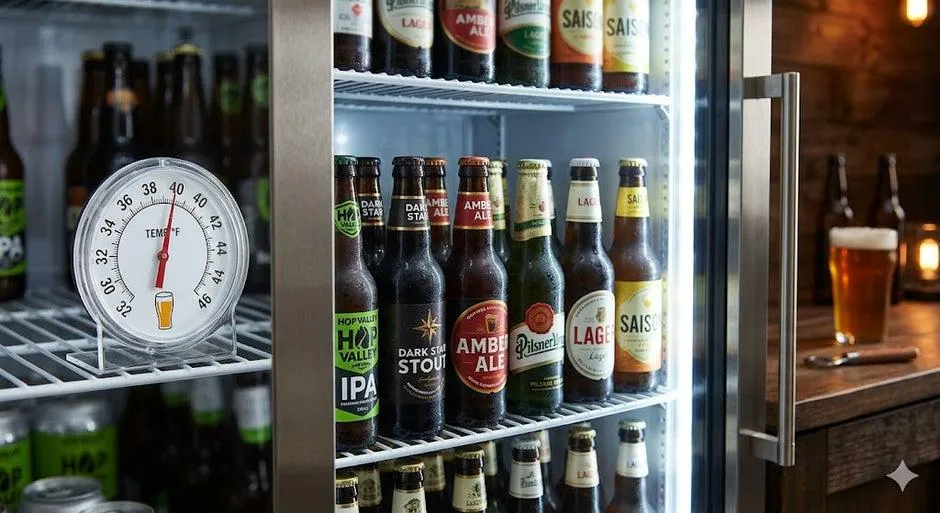
According to strict FDA food temperature standards, commercial refrigeration cabinet temperatures must remain consistently between 33°F and 38°F (0.5°C to 3.3°C) to prevent perishable food items from entering the dangerous thermal zone where bacteria proliferate rapidly.
During peak dinner rushes, line cooks open and close refrigerator doors dozens of times per hour. Standard cooling systems often suffer from thermal loss during these periods. Health inspectors look closely at internal cabinet stability. High-output commercial cooling systems with rapid temperature recovery ensure that even under intense, high-frequency usage near hot line equipment, cabinet temperatures stay locked within safe limits.
3. Implement Strategic Airflow and Storage Spacing
Overcrowding your refrigerator cabinet is a fast track to an inspection failure. When pans and bulk containers are jammed tightly against cabinet walls, cold airflow becomes restricted, creating warm pockets within the cabinet.
- Keep Vents Clear: Maintain at least two inches of space between stored food items and internal air vents.
- Use Perforated Shelving: Commercial wire shelves coated in epoxy maximize 360-degree cold air circulation around prepped ingredients.
- Follow FIFO Management: Practice First-In, First-Out inventory rotation, placing raw proteins on lower shelves below prepped sauces and ready-to-eat items to eliminate cross-contamination risks.
Invest in Compliant Commercial Cooling
Health compliance isn’t just about avoiding inspector penalties—it is about protecting your customers and extending ingredient shelf life. Upgrading to robust, certified commercial refrigeration gives kitchen operators the reliability needed to maintain smooth daily service and pass every inspection with complete confidence.