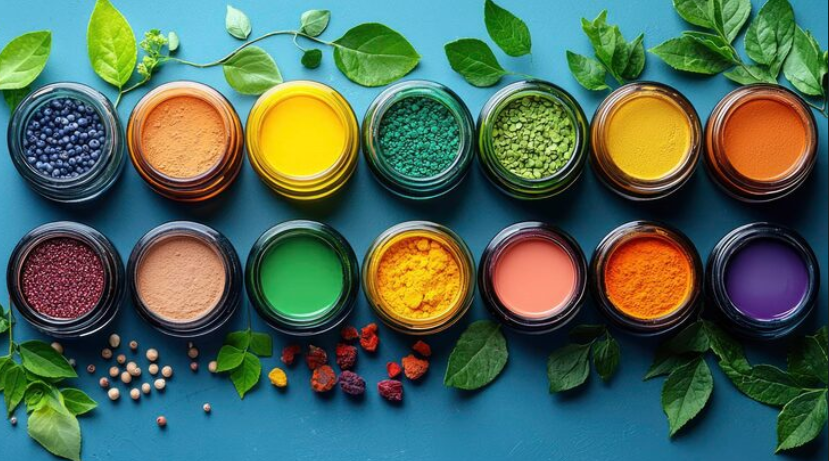
Color is one of the first product qualities a customer notices, yet choosing it for commercial food production is not a purely visual decision. A shade that looks attractive in a laboratory sample may change during heating, storage, exposure to light or contact with acidic ingredients. Manufacturers therefore need to evaluate the complete formula and production process before approving a natural color. The strongest choice is usually the one that delivers the intended appearance without creating problems in taste, texture, processing, labeling or shelf life.
Start With the Finished Product
The selection process should begin with the product itself rather than with a color chart. Beverage developers must consider clarity, acidity, carbonation and packaging. Bakery teams need to study oven temperature, fat content, browning and moisture. Dairy manufacturers must account for proteins, emulsions, freezing and the natural color of the base. Working with a knowledgeable natural food color manufacturer can help a development team narrow the options according to these practical conditions instead of testing unrelated pigments.
Understand the Role of pH
Many plant-derived pigments respond to PH. A red tone may become pinker, more purple or less intense as acidity changes. This behavior is particularly important in fruit beverages, gummies, yogurt, sauces and fermented products. The pH of the finished formula should be measured after all ingredients are mixed because flavors, acids, minerals and preservatives can shift the final value. Testing only in water may create a misleading result. Bench trials should reproduce the actual formula as closely as possible.
Review Heat, Light, and Oxygen Exposure
Processing conditions can be as important as ingredient choice. Pasteurization, baking, extrusion, hot filling and retort processing place different levels of stress on color. Transparent packaging can increase light exposure, while headspace oxygen may encourage fading in some systems. A supplier should be able to discuss how a color behaves under the expected temperature, holding time, packaging format and storage environment. Accelerated stability testing can identify likely weaknesses before a product reaches full production.
Choose the Correct Product Form
Natural colors are available as powders, liquids, water-soluble preparations, oil-dispersible systems and customized blends. A powder may suit dry mixes and seasonings, while a liquid can simplify dosing in beverages. Fat-based products often require a different delivery system from clear water-based drinks. Concentration also matters because a highly concentrated preparation may reduce dosage but require more precise handling. The best format is the one that fits existing equipment and produces consistent distribution throughout the batch.
Evaluate Documentation and Scale-Up Support
Commercial buyers should assess more than the sample appearance. They may need specifications, allergen statements, regulatory information, certificates, traceability records and guidance on storage. A dependable Natural Food Color Supplier should also help explain the difference between a successful bench sample and a repeatable production result. Mixing order, water quality, shear, temperature and addition point can all influence performance. Experimental levels are useful because they imply that they are not found in small jars. A documented trial plan should detect the target shade, fine variation, size method and review dates before testing begins. This gives R&D, quality and production teams a shared standard and makes it easier to distinguish true pigment instability from normal differences caused by raw materials or equipment.
Conclusion
Selecting a natural color for commercial production requires more than choosing an appealing shade. Manufacturers need to consider pH, processing temperatures, light exposure, oxygen, packaging, ingredient interactions and the form in which the color is supplied. Testing the entire formulation under real production and storage conditions helps prevent fading, soothing and avoidable reformulation costs. A dependable supplier should also provide documentation and helpful boosting guidance. Manufacturers desiring dedicated samples and technical support can learn more through Foodrgb.com before completing a reliable color system for full-scale production and long-term brand texture.