

How to Match Concrete Flooring to the Demands of Different Commercial Spaces
Commercial floors are expected to perform under very different conditions depending on the type of business. A restaurant kitchen may deal with grease, water and repeated cleaning, while a showroom, lobby or office may...

Designing Museum Exhibits With Glass Masonry: What Curators Should Consider
Museum exhibition design involves more than arranging objects inside display cabinets. Curators and designers must consider how visitors move through galleries, how lighting affects collections, and whether temporary installations can be adapted for future...
Hygiene, Heat and Hustle: What a Restaurant Kitchen Floor Must Survive
A restaurant kitchen is one of the toughest environments a floor will ever face. Hot grease, steam, ice, harsh degreasers and constant foot traffic all collide in a few hundred square feet. Choosing the...

Why Repair Volume and Cure Time Should Be Planned Before a Fast-Track Floor Job
A contractor using a concrete crack repair calculator can estimate filler requirements before arriving on site, but the real value comes from connecting that number to the wider project schedule. Crack dimensions, repair material,...
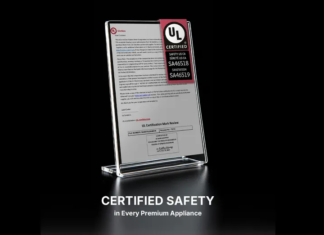
How to Ensure Commercial Refrigeration Compliance and Pass Health Inspections
Passing a routine health inspection requires more than just clean stainless steel counters and spotless floors. For commercial foodservice operators, cold storage compliance remains one of the primary areas where inspectors issue critical violations....
How Can a Transitional Rug Connect Different Furniture Styles?
Quick answer: Transitional rugs work well in nearly every room because they blend classic patterns with modern simplicity. They suit living rooms, bedrooms, entryways, dining areas, and home offices alike. Their neutral tones and...
- Advertisement -